HOW THE PROGRAMME WORKS
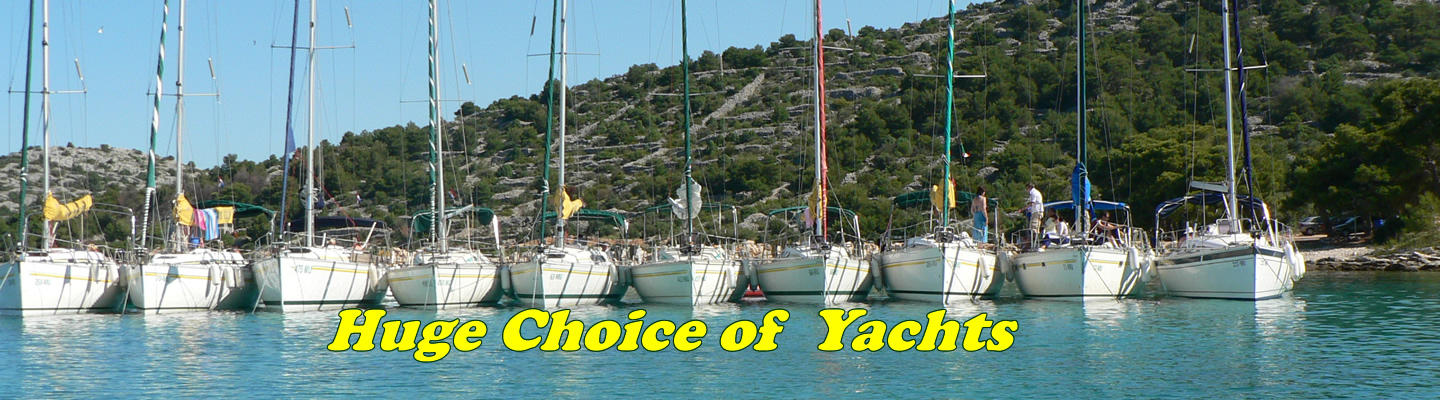
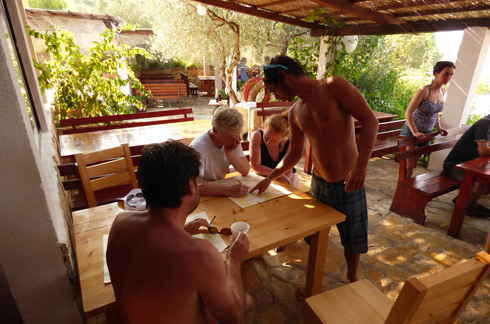
Yachts are available from 1700hrs on Saturdays, but an earlier or later arrival is not a problem as there is no sailing until the following morning. On arrival you will be shown on board your yacht when you get to meet your instructor and the rest of the crew. You will be shown everything you need to know for living on board for the night and then left free to go off and explore locally with the rest of the group for the first evening.
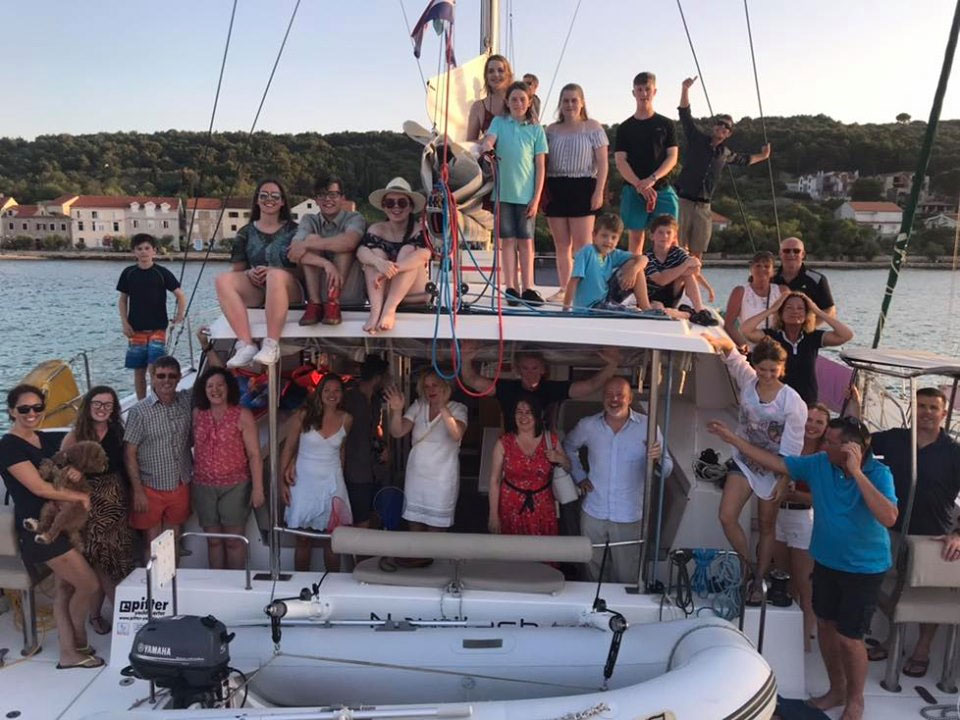
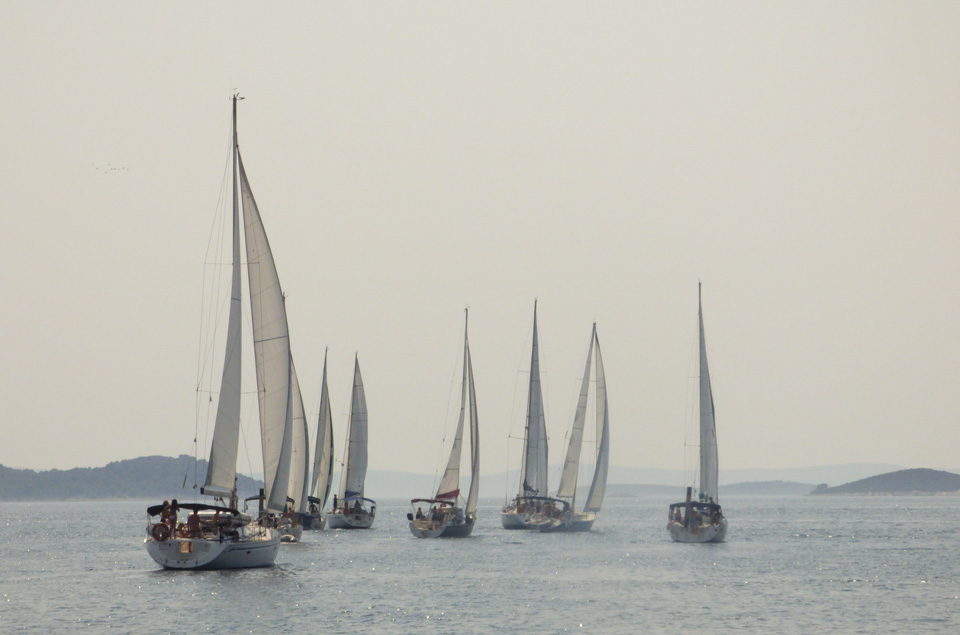
The following morning, starts with a comprehensive briefing for the entire flotilla. This is an excellent time to see the entire group together for the first time, and you are introduced to the plan for the week.
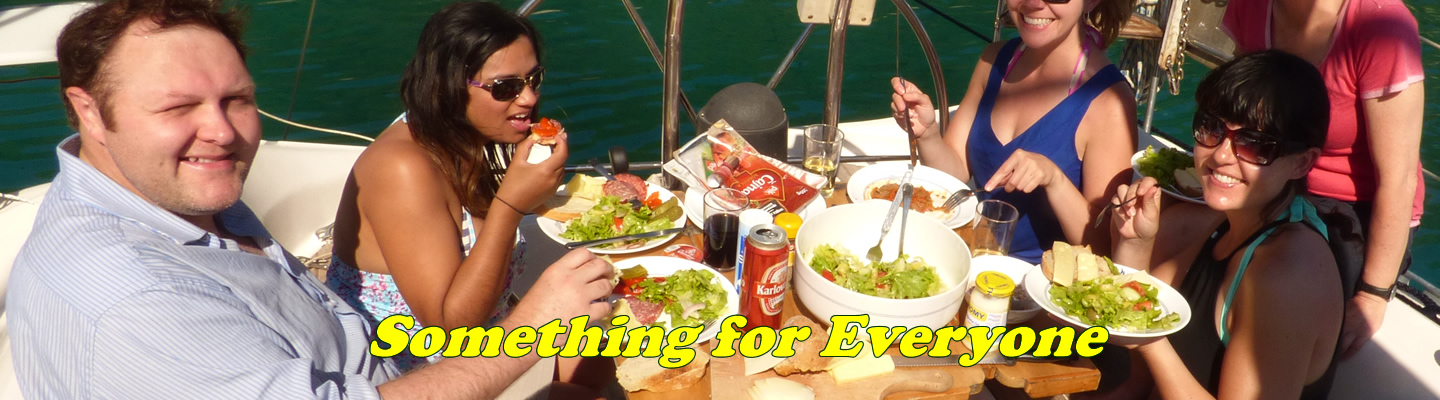
Your first hour or two will be spent exploring your yacht, peering in lockers, trying on life jackets and sorting out provisions for the week. Breakfasts and Lunches are usually taken on board while most people take evening meals in local restaurants, but you have full use of the facilities on board should you wish. All shopping is done in local shops and markets, and you can either choose to operate a small kitty for onboard meals with others, or do your own thing as you prefer. Preparation of lunches as with cleaning up and tidying of the yacht is to be shared by all.
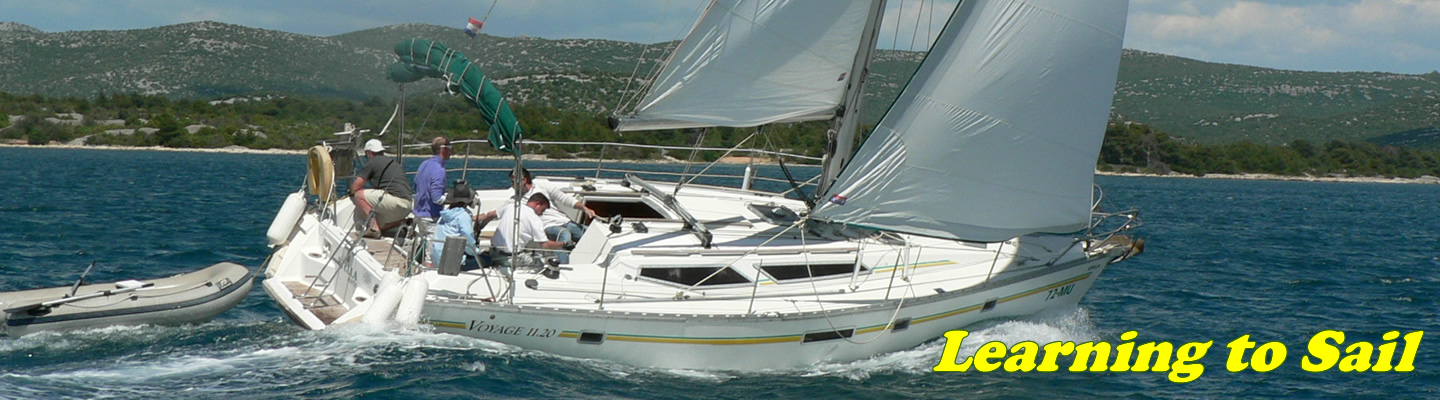
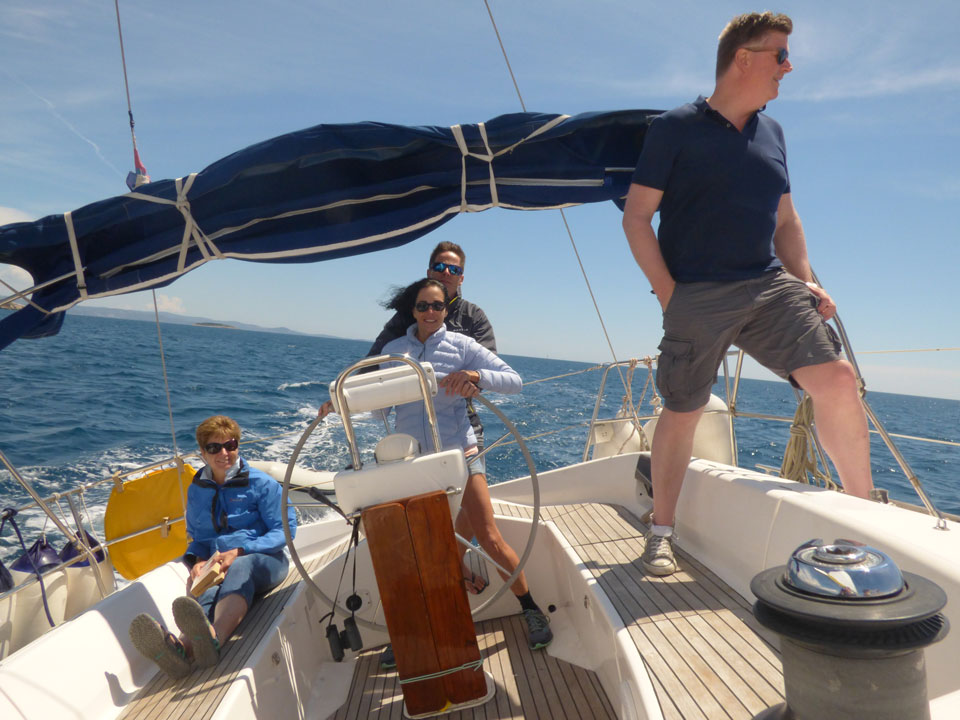
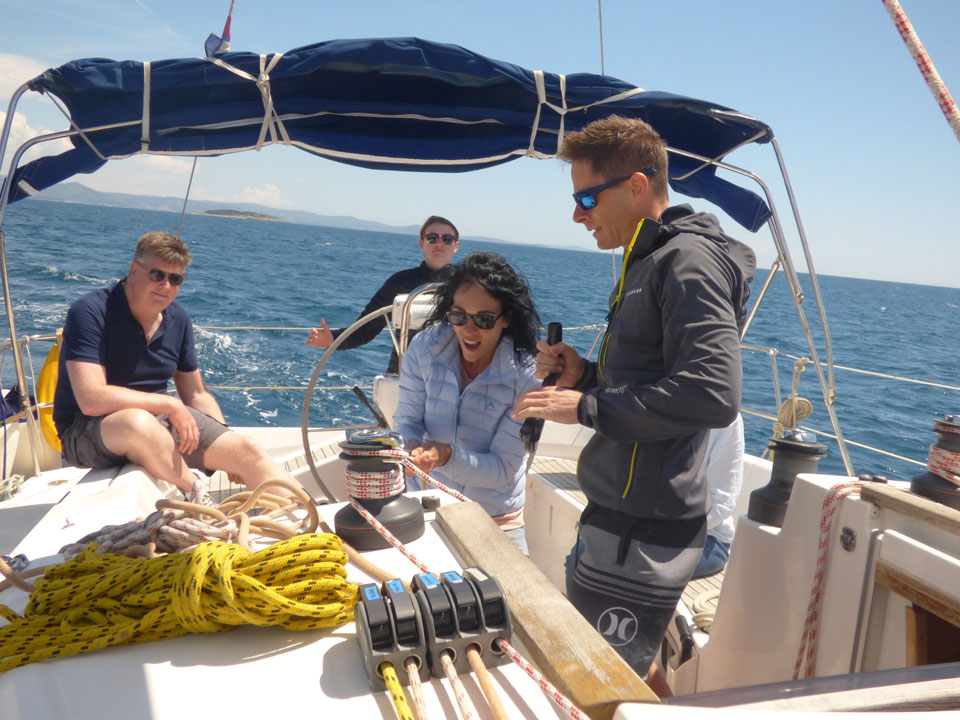
Once everyone is organised, usually by around 10.00hrs you will prepare to leave port. The rest of the morning will be spent getting everyone familiar with the main safety aspects of life on a yacht, the workings of the engine and handling under power, the sail controls and generally establishing everybody’s existing experience. This will all be done as you slowly make your way towards your first lunchtime stop and swim of the week.
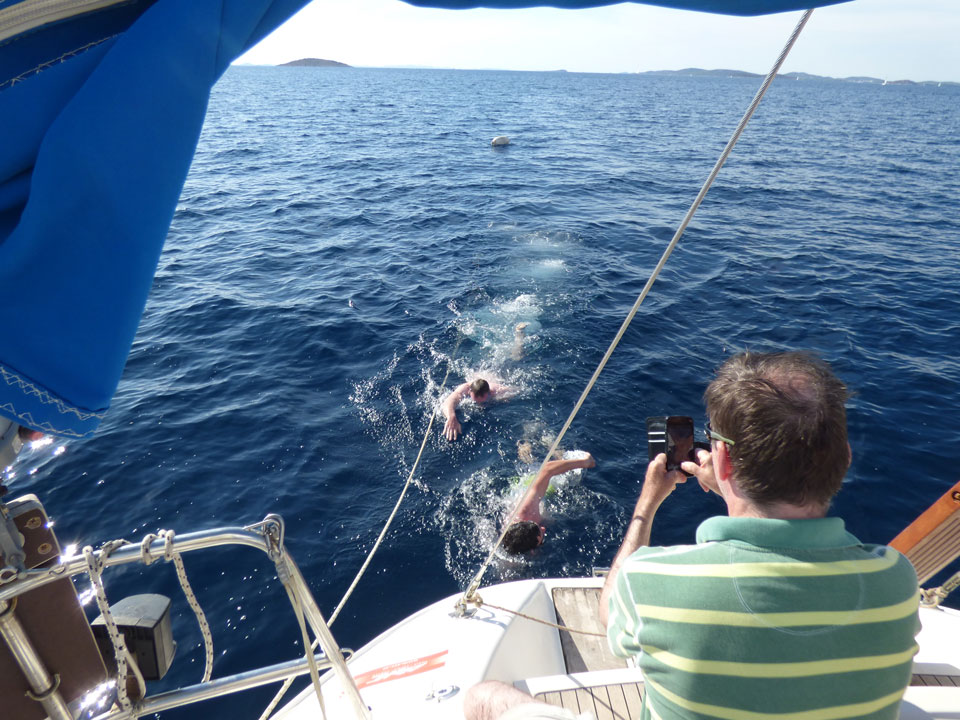
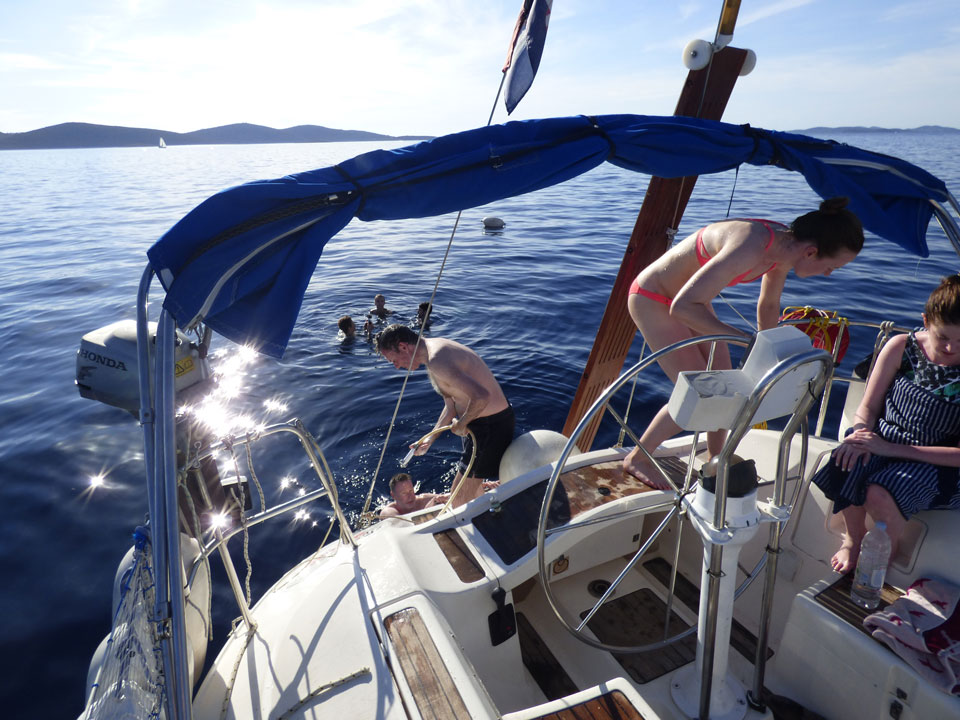
Lunch will then be an on board picnic stop in a lovely anchorage for about two hours so allowing everyone plenty time for swimming, snorkeling, sunbathing or just relaxing and reading a book.
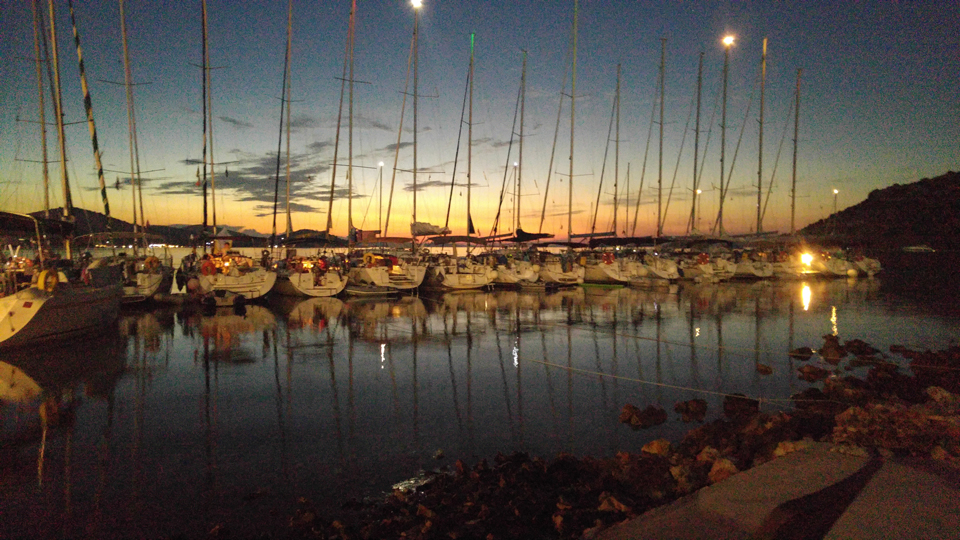
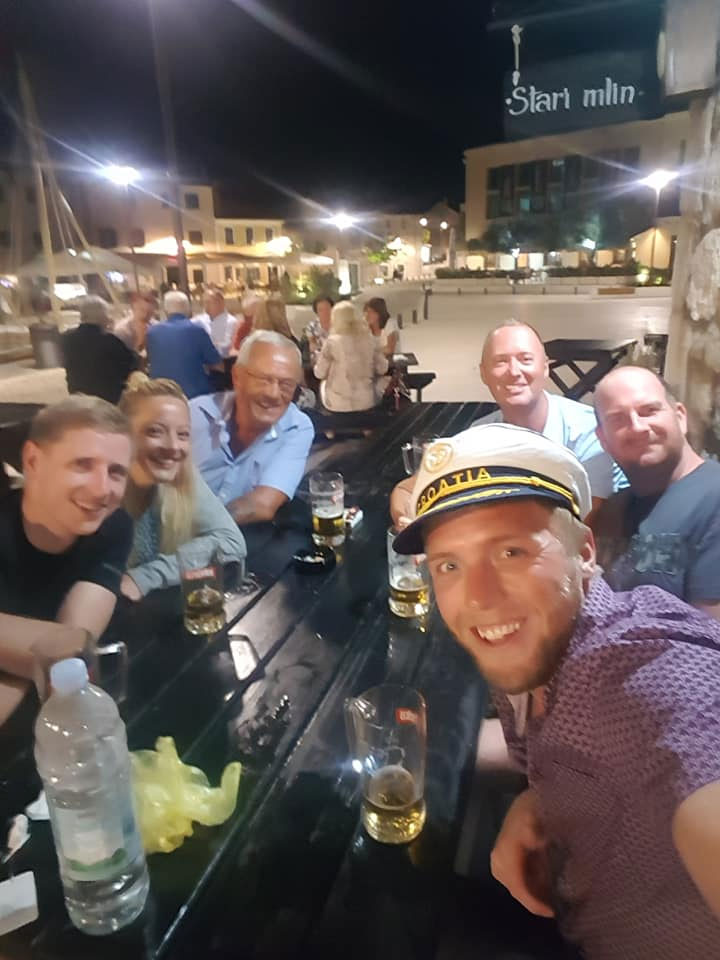
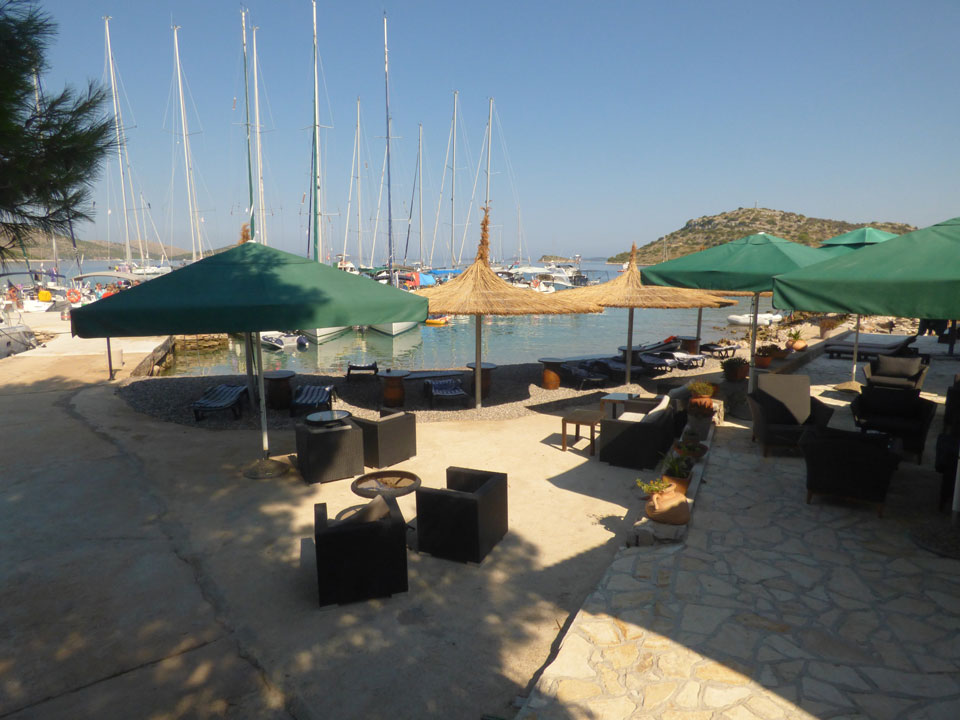
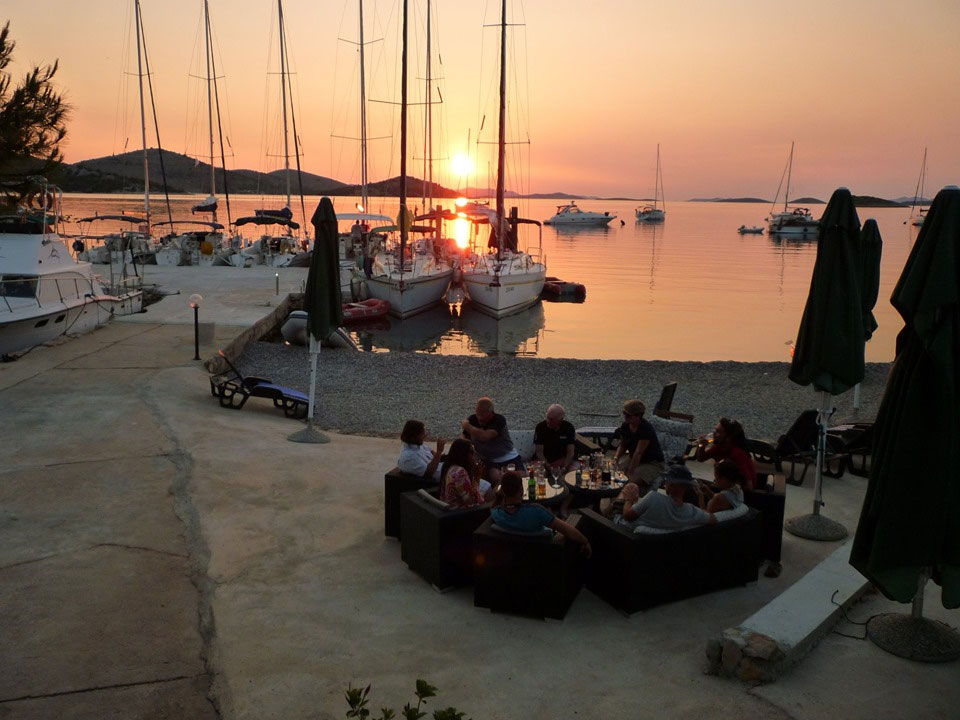
The afternoon will be spent sailing as you are let get the feel for the yacht in its natural environment. By the time you reach port on that first afternoon a lot of the mystery of sailing will have disappeared and you will be ready for a cool drink. A shower and freshen up is normally followed by a group get together at a local restaurant for those interested in this. This is the perfect chance to unwind and discuss the day’s activities with the other members of the group. Sleep is normally never a problem after the first day !!
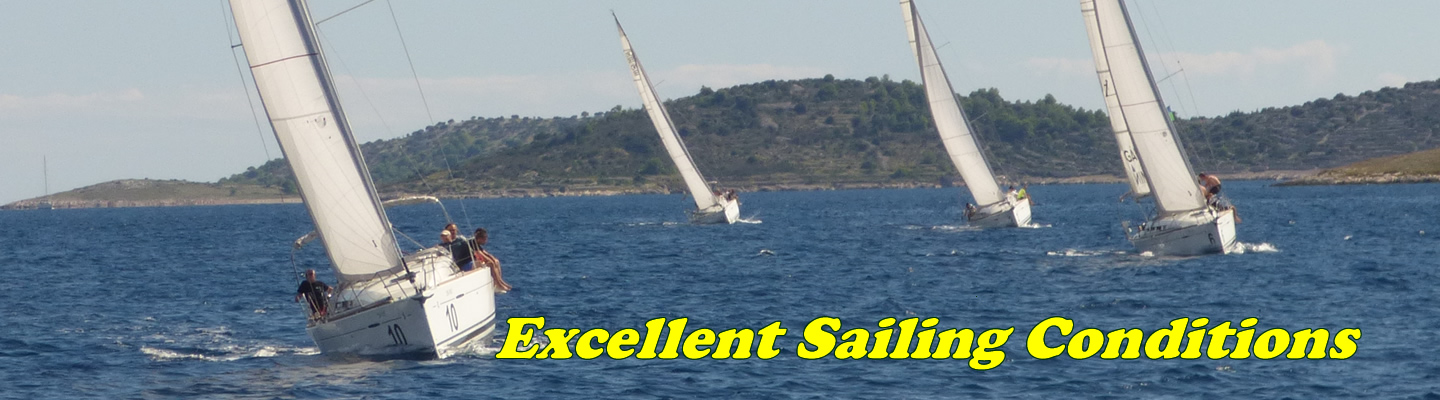
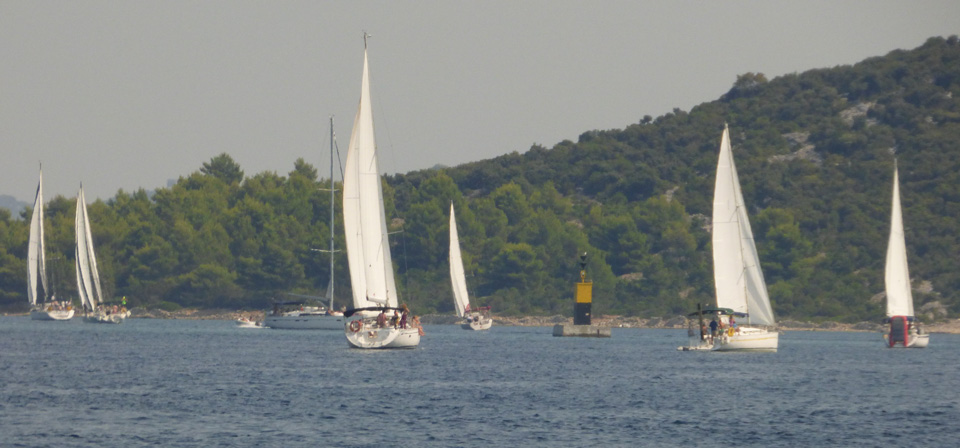
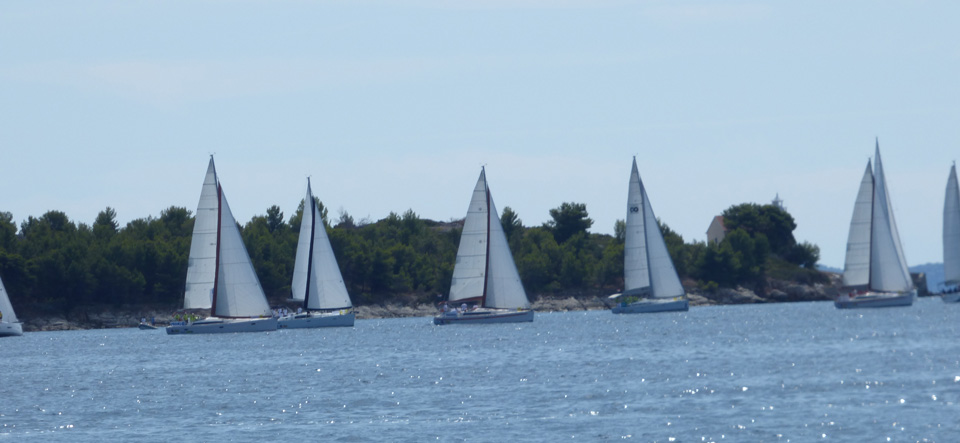
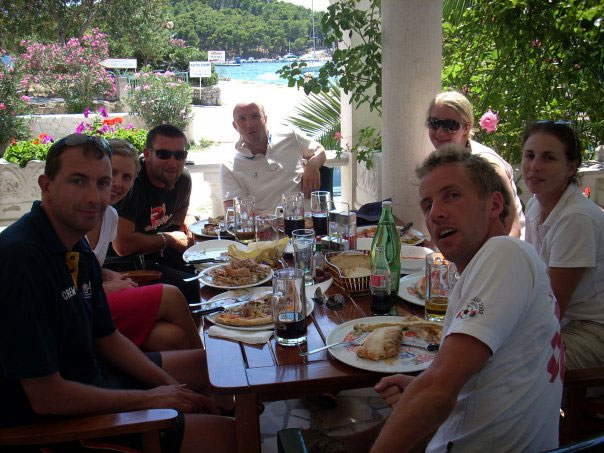
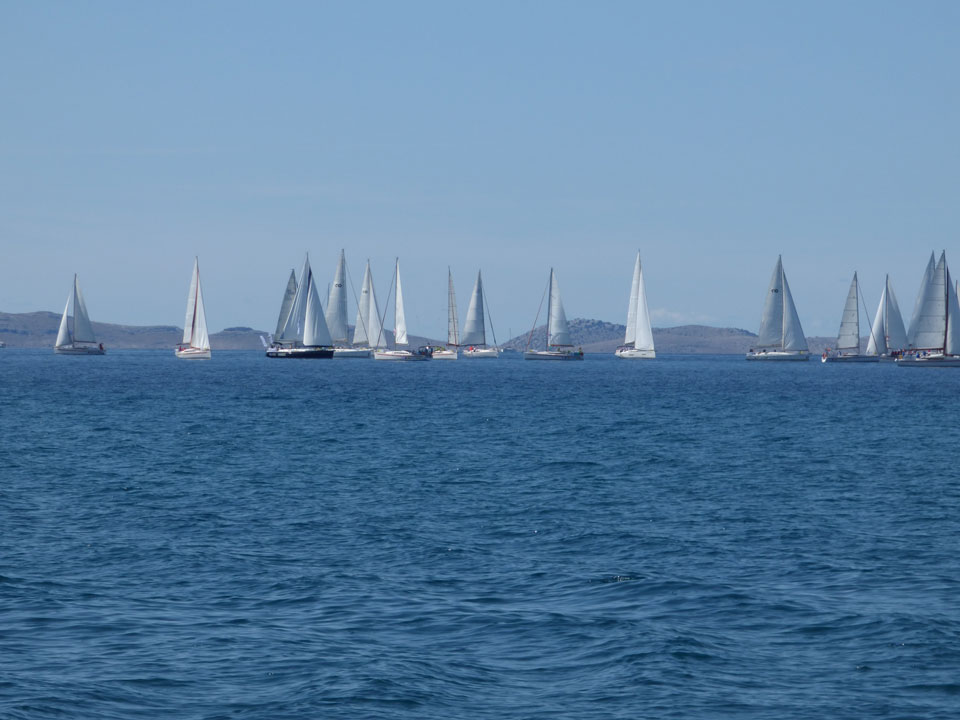
The pattern for the week will now have been set. The day will start with a short briefing and most yachts will have left by about 1030hrs. Mornings tend to have lighter winds making them perfect for practicing and teaching. We will have lunchtime stop most days unless we have a particularly favorable wind and everyone wants to keep going. The brisker afternoon winds make for great sailing and evenings are spent in port. We do not arrange group meals every night so people just get together among themselves and wander off to try out different restaurants and explore the different locations that we visit.
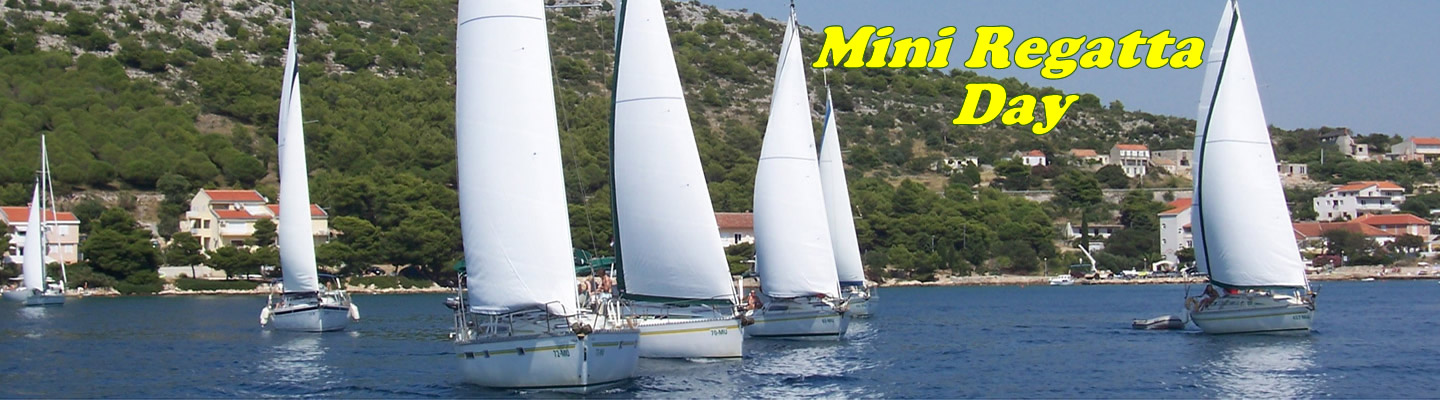
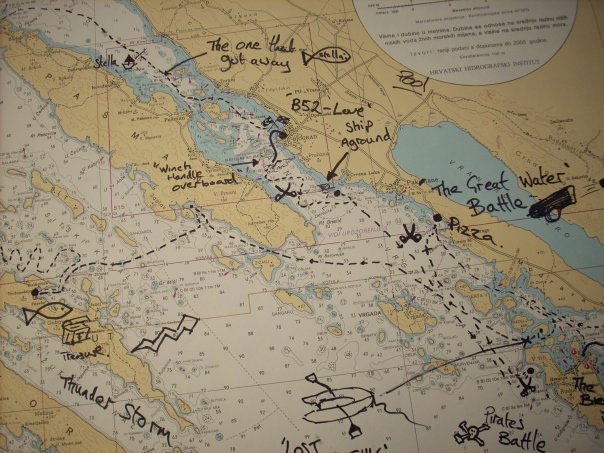
The area we sail in has an indented mainland coastline, historic towns and cities, lively tourist resorts, two National Parks and probably more small islands in easy reach of each other than anywhere else in the Mediterranean. In a sailing week we visit a combination of the above, allowing you to get an authentic feel for the country while having a great sailing holiday. It is a perfect area for Learn to Sail Holidays, and there is always time to explore locally and the whole emphasis is on learning by doing, hence our use of the word ‘tuition’ rather than ‘school’. Where possible we try to keep the obligatory distances between ports no more than 12 to 20 miles allowing all day to get there. This gives maximum flexibility, as with the multitude of small islands available to sail around, we can always make the route as long as we want, while still providing plenty of variety and training opportunities. This is what makes the programme equally suited to novices who just want a sailing holiday with instruction, as well as those who want to develop their skills further and train to be a skipper.
Beginners will be shown general rope work and how to, tie knots correctly, steer a boat under sail and power, handle the sails, mooring and anchoring, basic navigation, and all the things which lead up to an International Crew Certificate. Someone with prior experience will develop these skills further while learning more advanced techniques in order to get them up to a Skipper level. This is a particularly popular way to obtain the yacht sailing experience and basic skipper level certification needed prior to chartering a yacht on your own in the future. The Skipper level certification can be either the IYT Flotilla or Bareboat Skipper or the International Certificates of Competence (ICC). more
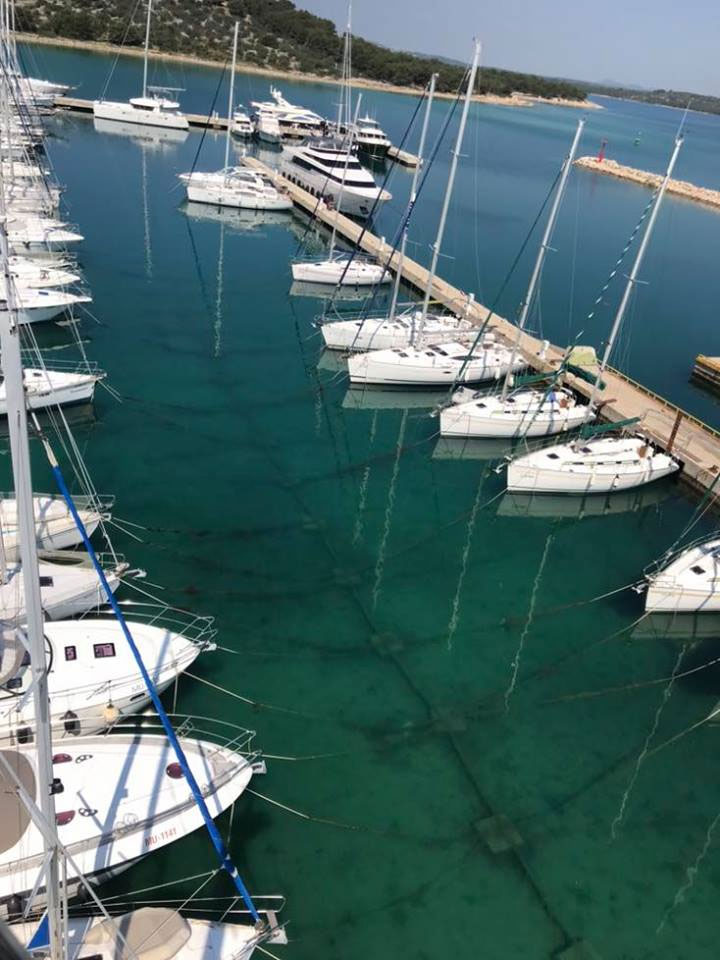
At the end of the week you will return to our base by about 1800hrs on the last day, which is normally a Friday, and you are free to leave any time after this. Most people have a last night out on Murter and leave the yacht by 0900 the following morning.




 for their recreational sailing programme's. The recreational training syllabus is ideal for
organisations that teach in a holiday environment, and courses have wide international recognition.
for their recreational sailing programme's. The recreational training syllabus is ideal for
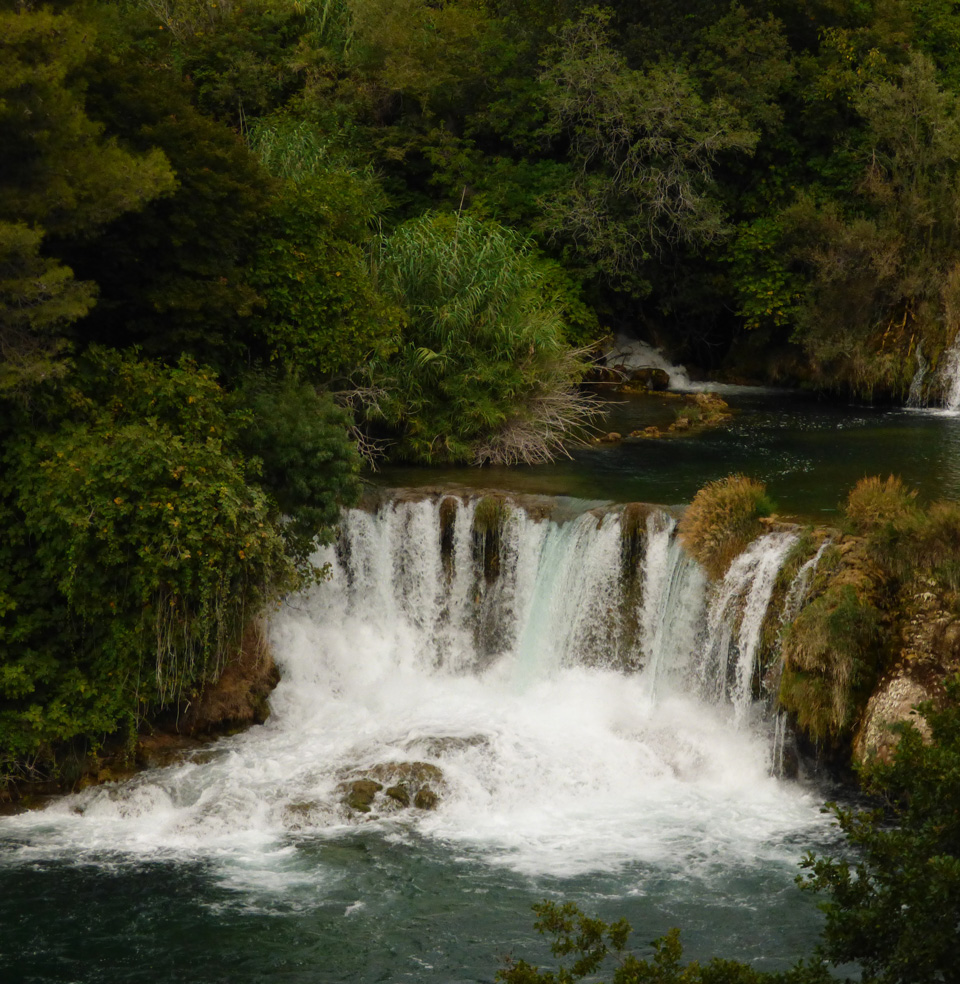
organisations that teach in a holiday environment, and courses have wide international recognition.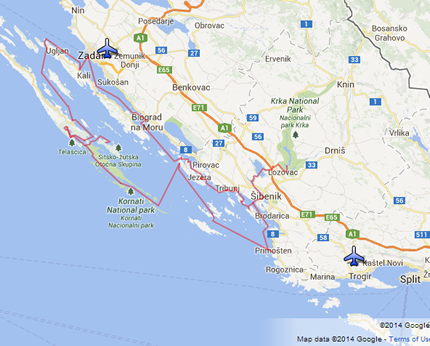 with historic towns and cities like Sibenik and Zadar, lively tourist resorts like Biograd, Primosten and Vodice, as well as numerous other smaller traditional towns and villages. Just off the coast then there is the largest combination of smaller and larger islands in easy reach of each other in the Mediterranean. In a sailing week we visit a combination of the above, allowing you to get an authentic feel for the country while having a great sailing holiday. The Kornati and Krka national parks are in also in this region, and because of the flexibility of distances, it is a perfect area for Learn to Sail Holidays.